Department Chair · Prostate Cancer Specialist

Osama Mohamad, MD PhD

Radiation oncologist and physician-scientist focused on prostate cancer. Chair of Radiation Oncology at the American University of Beirut — advancing precision cancer care through compassionate clinical practice, rigorous research, and education in the USA, Lebanon, and beyond.

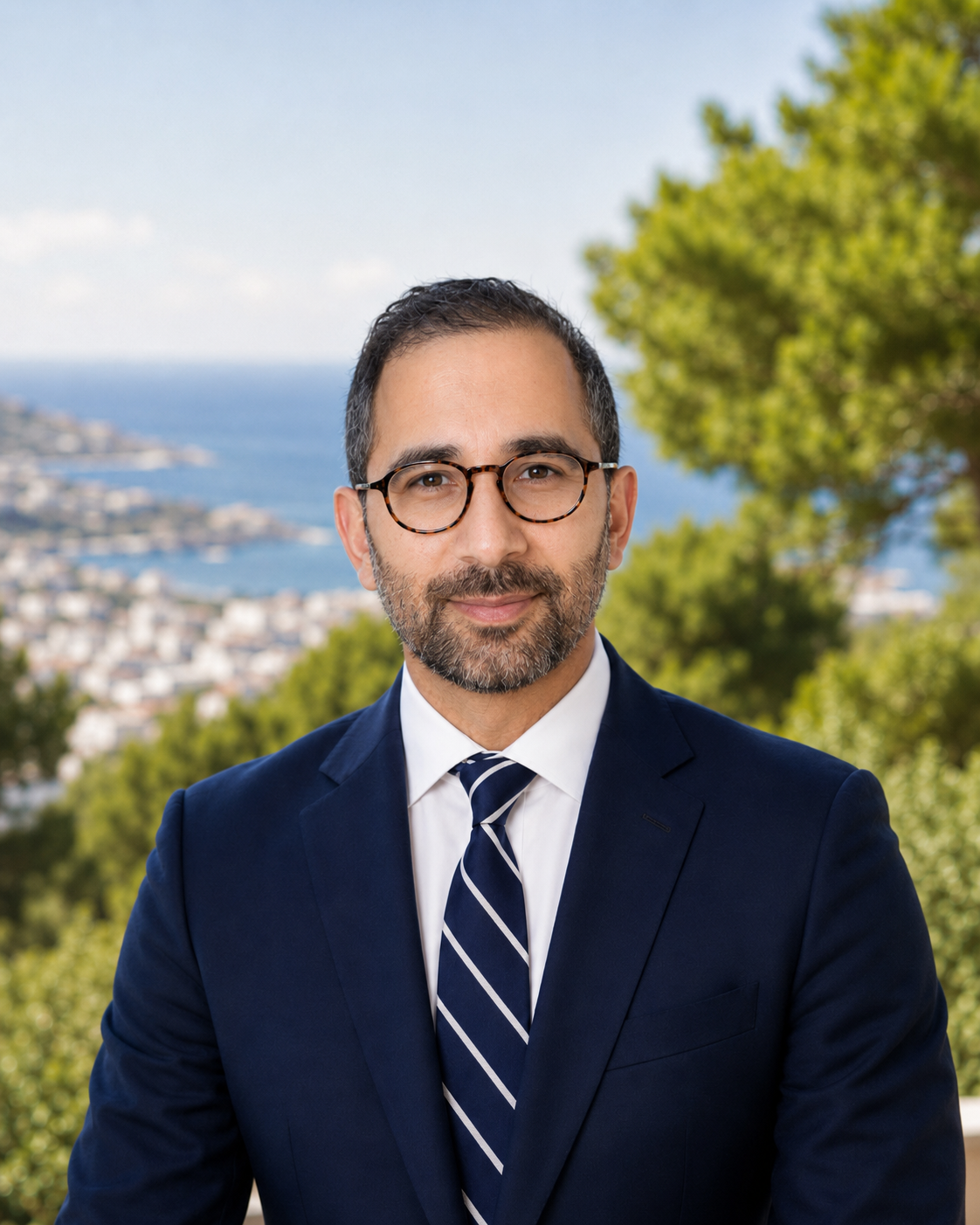
Dr. Osama Mohamad
Trained & Practiced At
About

A career dedicated to one mission.

I am a radiation oncologist and physician-scientist. My clinical and research career has been built around prostate cancer — its biology, its treatment, the technologies that improve its outcomes, and the patients who live with it.

I trained in radiation oncology at the University of Texas Southwestern Medical Center in Dallas, where I served as Chief Resident. Earlier, I completed my MD and PhD at Emory University as part of the NIH-funded Medical Scientist Training Program, with a doctorate in stem cells and regenerative neuroscience. I am board-certified by the American Board of Radiology.

From 2019 to 2023, I served on the faculty at the University of California, San Francisco, where I was Section Chief for Genitourinary Malignancies and Director of Brachytherapy. From 2023 to 2025, I joined MD Anderson Cancer Center in Houston as the clinical lead for the prostate HDR brachytherapy program and associate medical director of the genitourinary center. I returned to Beirut in 2026 as Associate Professor with Tenure and Chairperson of the Department of Radiation Oncology at the American University of Beirut, where I continue to see patients and lead research. I remain Adjunct Clinical Faculty at MD Anderson.

Most of what I do — clinical practice, research, teaching, advocacy — is focused on improving the lives of men with prostate cancer. The questions that occupy me clinically are when to treat and when not to, how to personalize treatment for each patient, how to use modern imaging and genomics to make better decisions, and how to give patients honest information about what to expect from their treatment. The questions that occupy me as a researcher are how to make existing treatments safer and more effective, how to integrate emerging technologies like PSMA PET and AI-driven pathology into routine care, and how to reduce the environmental and resource costs of cancer treatment globally.

I currently chair AUBMC Radiation Oncology — home to Lebanon's only ACGME-I–accredited Radiation Oncology residency program, the country's only brachytherapy program, the only medical physics residency, the only adaptive radiotherapy platform, and the only radiation biology program.

My vision as Chair is to strengthen subspecialized disease-site care, standardize pathways, reduce delays, measure outcomes and side effects, expand access through partnerships and shared standards, and build a world-class research program rooted in the needs of our community and the MENA region — with strategic alliances across Europe and the United States.

Career

Where I've worked.

2026 — Present

American University of Beirut

Associate Professor with Tenure · Chairperson, Department of Radiation Oncology

Leading the Department of Radiation Oncology at AUBMC and continuing clinical practice with a focus on prostate cancer. Building the department's research, education, and clinical programs.

2023 — 2025

MD Anderson Cancer Center

Assistant Professor · Clinical Lead, Prostate HDR Brachytherapy · Associate Medical Director, GU Center

Led the prostate HDR brachytherapy service at one of the world's largest cancer centers. Continue as Adjunct Clinical Faculty.

2024 — 2025

NASA Space Radiation Analysis Group

Medical Liaison

Advised the agency's Space Radiation Analysis Group on astronaut radiation exposure assessment and medical countermeasures.

2019 — 2023

University of California, San Francisco

Assistant Professor · Section Chief, Genitourinary Malignancies · Director of Brachytherapy

Led the genitourinary radiation oncology service and treated patients with all stages of prostate and kidney cancer. Joint appointment in the Department of Urology.

2015 — 2019

UT Southwestern Medical Center

Resident Physician · Chief Resident, Radiation Oncology

Residency in radiation oncology.

2017 — 2018

National Institute of Radiological Sciences (QST/NIRS), Japan

Visiting Clinician & Research Fellow · Carbon Ion Therapy

Research fellowship in carbon ion radiotherapy. My work on the risk of subsequent primary cancers after carbon ion therapy for prostate cancer was published in The Lancet Oncology.

2008 — 2014

Emory University

MD & PhD · Medical Scientist Training Program

NIH-funded MSTP combining medical training with doctoral research in stem cells and regenerative neuroscience. HHMI Fellowship in Clinical and Translational Research.

Areas of Focus

Prostate cancer, comprehensively.

What I see patients for and what I study. Across these areas I deliver IMRT with surface-guided positioning (SGRT), stereotactic body radiation (SBRT), HDR brachytherapy, and adaptive radiotherapy.

Every patient deserves honesty about their options, compassion through the hard decisions, and a physician who treats them like family. That is the standard I hold myself to — always.

Active Surveillance

For men with low-risk and very-low-risk prostate cancer who can safely avoid treatment with disciplined monitoring.

Localized Disease

Personalized treatment selection across surgery, radiation, brachytherapy, and combinations for cancer confined to the prostate.

Locally Advanced Disease

High-risk disease that has grown beyond the prostate but not to distant organs — combined-modality treatment for the best outcomes.

Metastatic Disease

Disease that has spread beyond the pelvis. Modern systemic therapies, targeted radiation, and close integration with medical oncology.

Biochemical Recurrence

Rising PSA after surgery or radiation. When to image, when to treat, and how aggressively — guided by my published research on this scenario.

Recurrence After Radiation

Local or regional recurrence after definitive radiation. Salvage brachytherapy, focal therapy, and other rescue options selected to the situation.

Testing

Choosing the right test for the right patient — PSMA PET, multiparametric MRI, genetic and genomic testing (Decipher, Prolaris, BRCA), and beyond.

Post-Treatment Care & Survivorship

Quality of life after treatment — urinary, sexual, bowel, fatigue, and cognitive function. Often the most under-served part of prostate cancer care.

7+
Years in Practice
120+
Publications